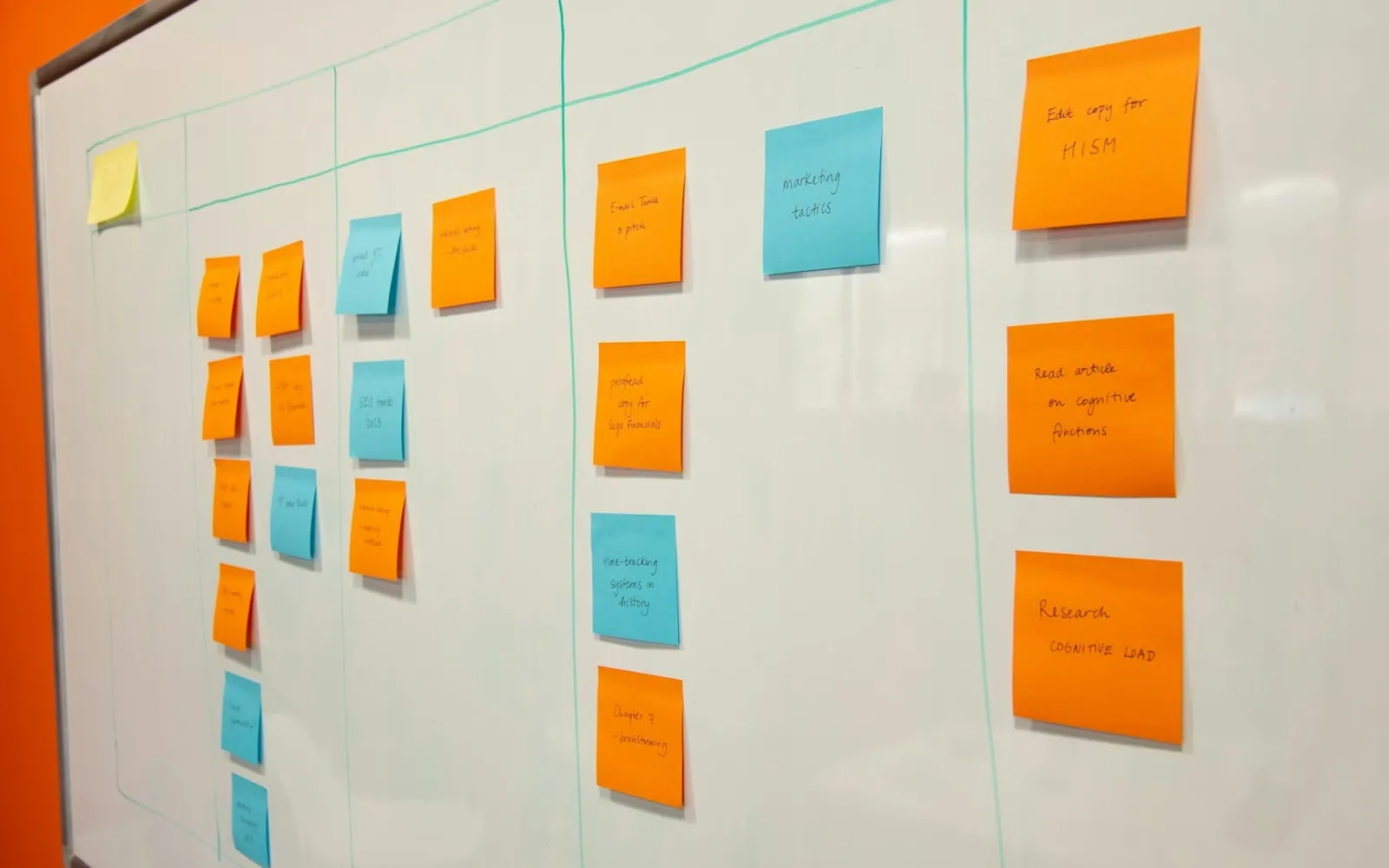
List the work before choosing the technology
Ask the people handling enquiries, bookings or internal requests which tasks repeat. Write down what triggers each task, what information arrives, where it goes and who checks the result. A short list of actual workflows is more useful than a general request to “add AI”.
Separate predictable steps from steps that need interpretation. Copying a booking reference between connected systems may need ordinary automation. Understanding an unstructured enquiry may benefit from AI assistance, with a review step when the request is unclear.
Choose a candidate you can test
Look for a task that happens regularly, has a named owner and uses information you can legitimately access. Prefer a manageable set of exceptions and a clear route back to a person when something fails.
Example workflow: capture an enquiry, create a customer record and prepare an acknowledgement for staff approval. Keep the first test to one channel and one destination system. Check what happens when a request is incomplete or a record already exists.
Write down the current baseline
Record task volume, handling time, correction effort and the handovers involved. Include the time staff spend reviewing the proposed automation; a faster draft is not necessarily a faster completed task.
Choose one main measure, such as successful handovers without duplicate entry, and keep a small set of checks for quality and exceptions. Compare like-for-like tasks before deciding whether to expand.
Check access and failure paths early
Confirm whether the relevant software supports the connections you need. Identify who can approve access, which information is necessary and what should happen if a system is unavailable. Test a duplicate request, missing information and a failed update as well as the straightforward example.
Pause a candidate if no one owns the source information, the process changes constantly or a small error could create consequences your team cannot reliably review. Improving the process itself may be the first useful step.
Turn the candidate into a short brief
Describe the trigger, inputs, systems, owner, review points and expected output. Add a small set of representative examples and explain what a useful test would demonstrate. This gives a delivery team something concrete to estimate.
See what to prepare for a first engagement, or explore workflow automation.